
This Friday will be the 14th of Iyyar, exactly one month after Pesach. We celebrate Pesach Sheni, an ancient reminder of the value of inclusion. It originates the first year after the Exodus from Egypt. Bnai Yisrael are instructed to repeat the lamb offering they made the night that they went free: “you shall offer it on the fourteenth day of this month, at twilight, at its set time” (Numbers 9:3).
A group of men appear before Moses with a problem: they are tameh, and unable to offer the Pesach sacrifice in their state of ritual impurity. Yet they have a burning desire to participate in the celebration of their salvation from Egypt.
We can only imagine how they felt, having experienced their personal redemption and the nation’s defining moment with the rest of the community, only to be unable to mark its first anniversary alongside everyone else. We can understand the intensity of their need to commemorate and give thanks for the miracle of yetziat mitzrayim – and the intensity of their pain at the thought of being kept on the outside.
They ask Moses, “Why must we be restricted from presenting God’s offering at its set time with the rest of the Israelites?” (Numbers 9:7)
Moses is unsure. What is needed for these people? They don’t appear to be questioning the laws of tumah and tahara that have led to their current status. They certainly will not be liable for not fulfilling the mitzvah of the Pesach sacrifice on time through no fault of their own. But Moses has no way forward – how can their religious and spiritual needs be met? How can they continue to participate in the rituals of their community?
Moses turns to God for answers. God provides not just a one-time solution, but a permanent institution to meet the needs of the people going forward: Pesach Sheni. The korban pesach can be offered by anyone who was unable to in Nissan, whether due to impurity or a long journey. Pesach Sheni provides an opportunity to offer and eat the Pesach sacrifice, fulfilling the original obligation. While the requirement of offering the sacrifice “in its set time” and in a state of ritual purity remain intact, there is also space for those who were left out to participate meaningfully and fully.
In Mishna Pesachim, we learn an extension of this principle of inclusion: if the majority of the people are impure, or all of the Cohanim, the Pesach sacrifice will nevertheless be offered in the midst of such impurity. The Pesach sacrifice is just too important. This central moment, which defines our people’s relationship to God, must remain accessible. Individuals get a second chance if the first is impossible. The people will be allowed to celebrate even if the majority (or the Cohanim needed for the offering) are tameh.
These solutions do not ignore or erase the laws of tumah and tahara; they work within the halachic system to find pragmatic ways for those seeking connection to the community and to God in the midst of the complexity of the human experience.
A number of years ago, religious LGBTQ+ Jews in Israel began to reclaim the observance of Pesach Sheni. This day has become an educational opportunity for LGBTQ+ Jews to share their desire to belong: why should we be kept out of the community? Many communities have adopted the Chasidic custom of eating matzah on Pesach Sheni – a symbol of God’s loving expansion of halacha for the sake of inclusion. This year, Eshel’s Parent Retreat begins on Thursday evening as we welcome in the 14th of Iyyar. I hope you’ll join us in marking this day to remember how precious it is to God that we all are included.
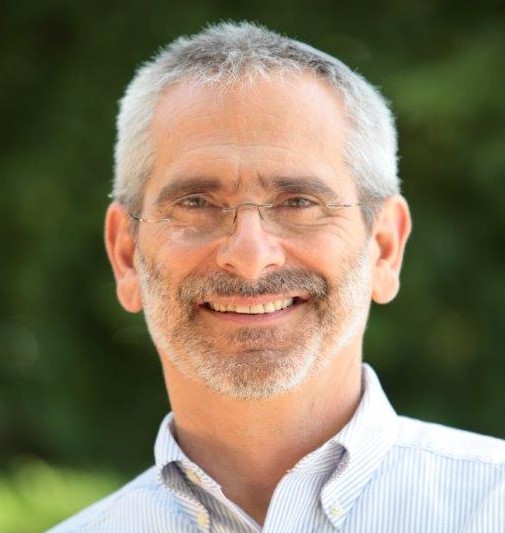 Rabbi Steve Greenberg
Director of Education