Every year, on the 15th of Nissan, Jews around the world gather around tables, with their families and friends, in their own homes and as guests, to partake in the Seder—a meditation on our freedom.
The Seder, while a meditation, is far from peaceful. The Seder, broken up into fifteen dramatic acts, full of ritual pageantry, is perhaps the world’s greatest annual experiential dinner theater performance. As we journey through the Haggadah and recall the Israelites’ Exodus from Egypt, we consume salt-water to recall the slaves’ bitter tears; dip the Korech sandwich in charoset, representing the mortar used by the Israelites; and eat matza to remember the haste with which they left their lives in shackles behind. After all, how can we understand the experiences of our fellow person until we’ve walked a mile in their shoes?
When we arrive at maggid, the storytelling portion of the evening, we open with Ha Lachma Anya, proclaiming:
כָּל דִכְפִין יֵיתֵי וְיֵיכֹל, כָּל דִצְרִיךְ יֵיתֵי וְיִפְסַח
“Anyone who is famished should come and eat, anyone who is in need should come and partake of the Pesach sacrifice.”
At this dinner theater, all are invited to take a seat. Nobody is left behind.
The framing of this call for guests foregrounds something critical: our freedom from oppression activates the agency to welcome in others. This motif of welcome extends through the very end of the Seder, when we adopt a literal open door policy, and usher in the spirit of Elijah. We invite everybody to the table, even those we cannot see. All are welcome. But the invitation alone is not enough.
At Orthodox Seders around the world, LGBTQ+ people sit at the table. Some family, some friends, some guests. And as we see so many of the people we hold dear take part in the sacred practice of storytelling, we cannot help but ask ourselves, “could the people around me at this Seder hear my story, and, if just for a moment, experience it as their own?”
Allies are in the privileged position of being able to choose who sits at the table. And, thank G-d, many have Seders that are welcoming to LGBTQ+ Jews, but even that generosity will not always be able to overcome the reality many queer Jews face: that having a spot at the table is not always enough to make us feel free. We have a seat, but do we have a voice?
For closeted Jews who, like the spirit of Elijah, enter the Seder unseen, there is a tremendous obstacle to experiencing the full feeling of freedom that the Seder prescribes. How can one feel free, even at a welcoming table, when they feel perpetually imprisoned in their own skin?
The Haggadah teaches us how to experience freedom, and how to allow others to feel it. As Maggid goes on, we read:
בְּכָל-דּוֹר וָדוֹר חַיָּב אָדָם לִרְאוֹת אֶת-עַצְמוֹ כְּאִלּוּ הוּא יָצָא מִמִּצְרַיִם
“In each and every generation, a person is obligated to see themselves as if they left Egypt.” (Exodus 13:8)
The Haggadah asks us to engage in radical empathy. The operative word in this pasuk is k’ilu: as if. We cannot, and are not, asked to adopt the suffering of another person, but to imagine for a moment what it might be like to live through what they experienced. We see ourselves as if we went from suffering – a life in literal or emotional shackles – to freedom. The Seder invites us on a coming out journey – whether from Egypt or the closet.
For allies, the seder is an opportunity to inhabit the perspective of another for a moment. For LGBTQ+ Jews, the seder is an invitation to imagine a better world. The structure of Maggid is a redemptive arc: מַתְחִיל בִּגְנוּת וּמְסַיֵים בִּשְׁבָח. We begin with disgrace and pain, and end with praise and celebration. We celebrate not just the salvation that we experienced, but the complete redemption that is to come.
Pesach invites us to imagine, experientially, a world that isn’t ours. We envision a world of “k’ilu”. As if the work is accomplished, as if we are all free to live and love in peace, as if kol dichfin yessei v’yeichol, everyone has a seat and a voice around the table. This Pesach, may we all experience that taste of freedom.
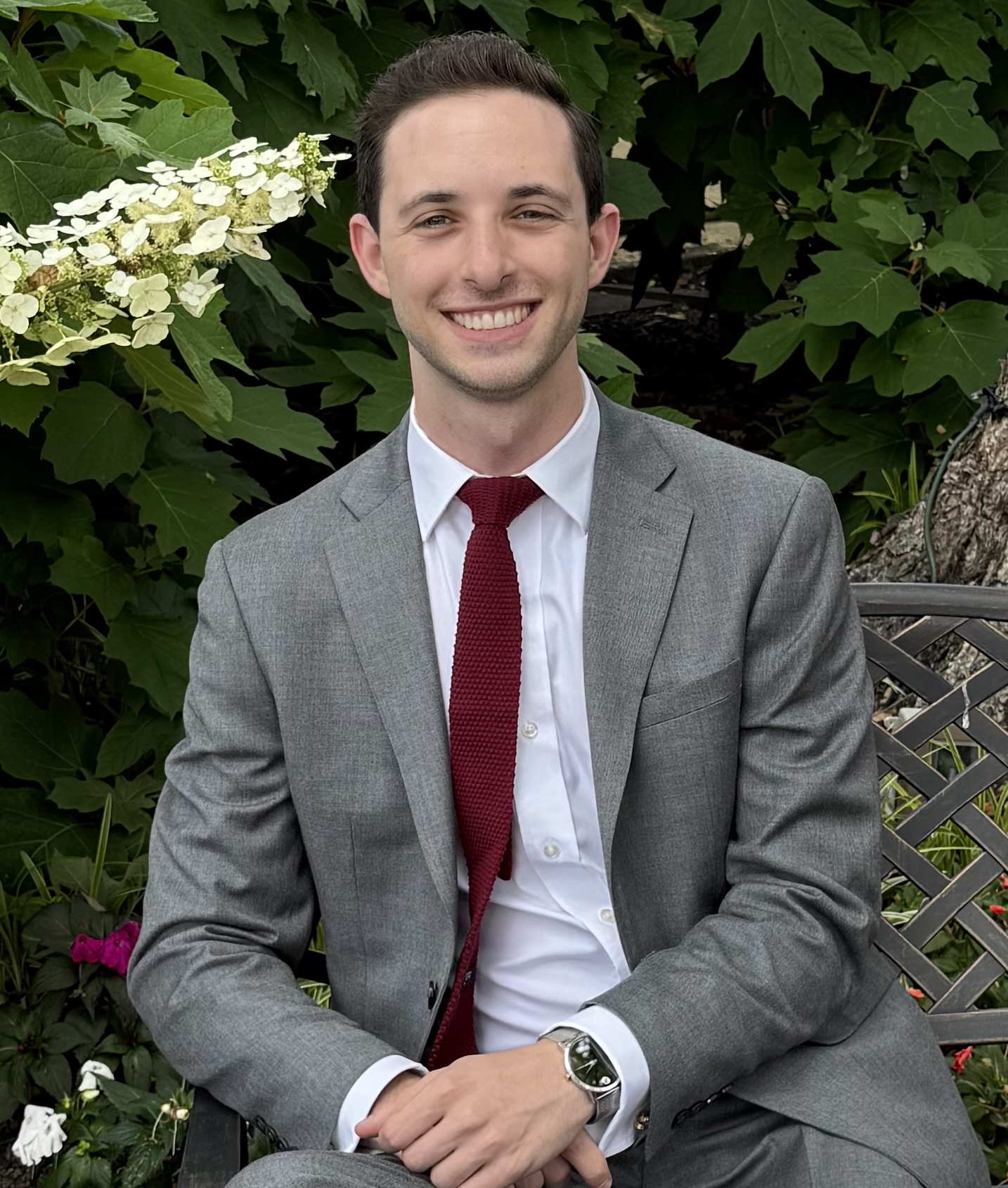 Mendel Weintraub
New York Program Director