I remember being ten years old and feeling uncomfortable as I tried to explain to my Christian friends in public school what Chanukah is about. The miracle of an oil lamp lasting eight days just doesn’t have the punch of the birth of the baby Messiah. While both holidays celebrate light in the midst of darkness our neighbor’s Christmas tree was a six foot dazzling spectacle that totally outclassed our family menorah.
Not until I was much older did I learn that Chanukah is more than a story about magical oil. It is about an improbable and hard-won military victory to secure Jewish autonomy. It is a story of Jews resisting the seductive culture of Hellenism that would otherwise have eroded their identity. It is a story about holding fast to the covenant in the face of oppression, about standing up with the Jewish people against a violent and powerful enemy.
According to Dara Horn, there are two forms of antisemitism. Purim is about the hatred of Jews while Chanukah is about the hatred of Judaism. But while the origins of these two hatreds may begin in different places, they are actually inseparable. The Syrian Greek control of Judea began as a campaign against the practice of Judaism, and later became a war. Purim began as a physical threat to flesh and blood Jews. But in the words of Haman, the murderous violence was justified by Jewish resistance to Persian religious custom, that is by our adherence to tradition.
This year, we entered Chanukah holding grief and tragedy after witnessing the attacks on the Sydney Jewish community. At Bondi Beach there were Jews of every kind: the annual lighting sponsored by Chabad was a celebration of Jewish peoplehood, a gathering marked by a diversity of belief and practice – and yet it was a deeply religious and public affirmation of Jewish distinctiveness. This overlap of peoplehood and covenantal purpose is at the center of our remarkable survival.
This year, let’s explain Chanukah clearly to ourselves, to our ten year olds, and to everyone else. We can tell the sweet story of the miracle of the oil, but let’s not stop there. We must convey that Chanukah affirms and celebrates who we are – our peoplehood, and our covenant – and how we stand together in times when outside forces seek to destroy us.
Isaiah calls us “a covenant people, a light to the nations.” Despite our diversity, we are one people. We are an ancient family bearing a shared covenantal responsibility, and so in the midst of our pain, we will now and always continue to light up the darkness.
Chag Urim Sameach.
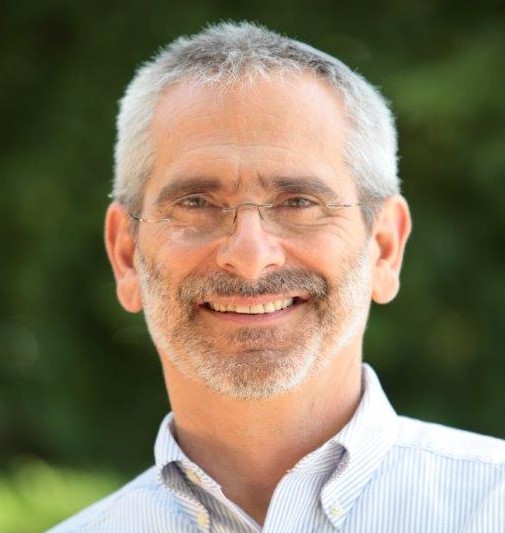 Rabbi Steve Greenberg